
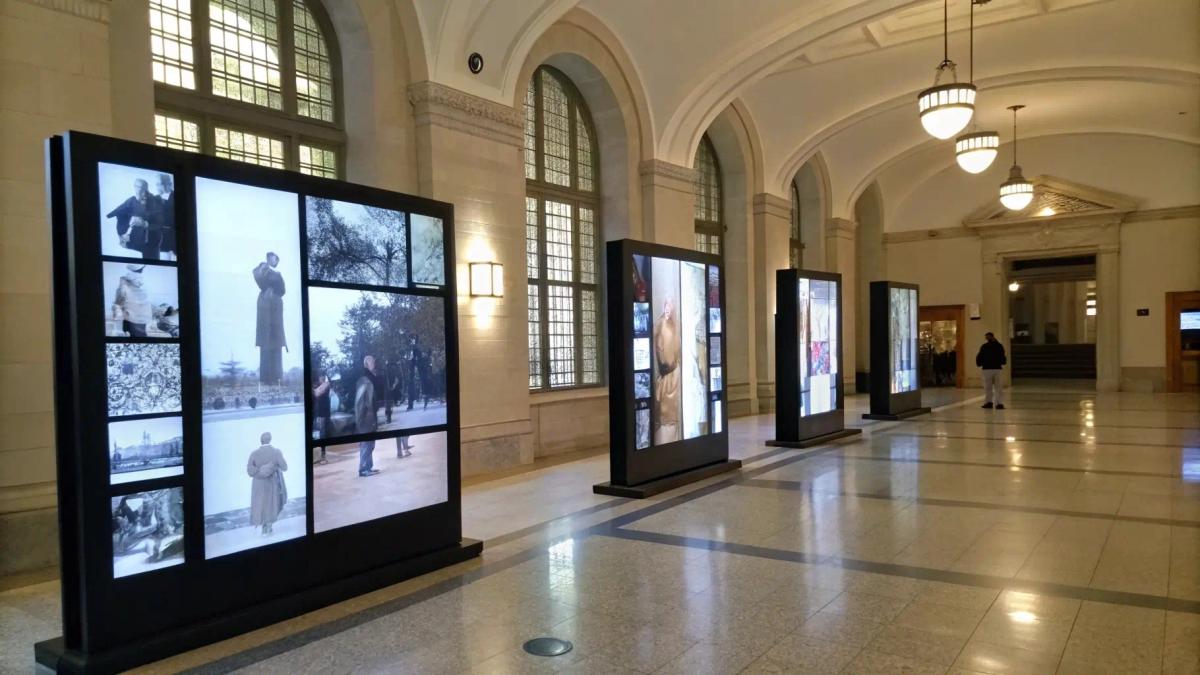
Why Your College Needs a Digital Archive for Preserving Campus
I hear you; we need to catalog these unique items properly. Long are your corridors with the dust-coated scholarship plaques everyone just slips by. Whoever remembers those championship cups that shall only be gathering more and more dust? And those yearbooks the school printed off and tucked away in the filing cabinet in some dark corner of the basement will never see daylight again.
Truthfully, there are stories about the school that need to be told. There are those former Olympians, those valedictorians, who have changed an industry, and there are a century of achievements waiting to be brought out of the darkness of lost time in the back halls of campus.
That's where college digital archives come in, and trust me, they're way cooler than they sound.
What Is a College Digital Archive?
Think of a digital archive as your school's whole legacy, but whereas a legacy is mongering weirdly around the writing, searching, and learning possibility of a future, he has never actually seen the unique manuscript it holds. Digital archives will bring in pictures, yearbooks, newspaper archives, sport championship records, alumni achievements, recognition for donors, everything interesting about your institution, all breathing under one organized digital roof.
The idea is already being followed by many schools, which have converted their historical archives into interactive platforms allowing learners, current students, alumni, faculty, staff, prospective students, parents, and friends to access their numerous memories without having to undergo the physical process of sifting through the boxes.
The best part of it all? Well, modern digital archives are not static databases. They become a living entity when paired with the right digital display software, a narrative that an audience wants to engage with.
Step 1: Audit Your Campus Collections Before Creating a Digital Archive
Before you start to build, know what treasures you are working with in your special collections. Have a coffee, or three, and start to inventory.
Athletics: High school band, cheerleaders, spirit clothes, marching band, costume alterations, homecoming, winter formal, student handbook, walking to school, lockers, and unique course categories should all be included in the audio archive.
Academics: Awards won, honor society members, achievements in competitions, faculty profiles, research offerings, student publications.
Arts & Theater: Videos of performances, brochures, galleries showcasing arts, archives of music programs, and behind-the-scenes footage
School History: Remember that yearbook photos, class photos, lists of notable alumni, names of valedictorians, school traditions, important event dates, and a group of archived newspapers are stored.
Donor Recognition: Giving campaigns, named scholarships, impact stories, legacy walls
Many schools feel that they often overlook a lot of content they should be incorporating into education, surrounded as they are by more than enough information. Anyone can easily locate books and other related works; the challenge involves organizing and presenting relevant units of information in an easy and understandable way.
Step 2: Choose the Best Digital Archive Platform for Your School
Things start to heat up now. You need a platform that doesn't crash every time someone hits the "Search" button on the 1987 basketball team in your archives.
Cloud-based technologies are an extension of advanced features rather than traditional document management, such as metadata mining; search using fingerprints, faces, appearances, and mood; media archiving; and so on. Some platforms even let alumni contribute their own memories and experiences, which is brilliant for community building.
But here's what nobody tells you: the software matters just as much as the archive itself. Who has the best digital collection in the world but, with a website hidden with a lush interface, chokes on showing newcomers how to find his files?
This is why schools are quickly getting into integrating digital archives and interactive display software, through implementations such as touchscreen displays in the lobby, gym, or admissions office. Suddenly, your archive isn't something people have to seek out online. It's there, making you interact, talking, and ever so engagingly inviting you to look over your school.
Step 3: How to Digitize Yearbooks, Photos, and Records for Your College Archive
Time to bring those dusty yearbooks into the 21st century. You've got options:
DIY Approach: If you've got time and decent equipment, you can scan documents and photographs yourself. Just be prepared for this to take approximately forever; it's a massive undertaking to catalog everything.
Professional Services: Partner with digital archive specialists who understand educational institutions and can help develop unique college archives. At Touchstone Digital Solutions, we work with schools to digitize yearbooks, newspapers, championship records, and comprehensive collections, which is clutch if you're dealing with fragile historical materials or decades of content that needs professional handling.
Hybrid Model: Digitize your most valuable content professionally, then handle ongoing additions (recent photos, new achievements) in-house.
Pro tip: Quality matters here. Blurry scans of your 1952 football team aren't doing anyone favors. Invest in proper digitization so your content actually looks good on modern displays.
Step 4: Organize Your Digital Collections With Metadata and Clear
Random folders labeled "Stuff" and "More Stuff" won't cut it. Your archive needs structure that makes sense to actual humans.
Create clear categories and use consistent metadata, things like names, dates, departments, achievement types, and relevant keywords. Schools nail this with searchable collections and curated exhibits that highlight specific themes or time periods.
Think about how people will actually use your archive. Prospective students want to see championship achievements and notable alumni. Current students need quick access to records and leaderboards. Alumni are hunting for their old team photos and yearbook pictures. Your organization should serve all these use cases without making anyone want to pull their hair out.
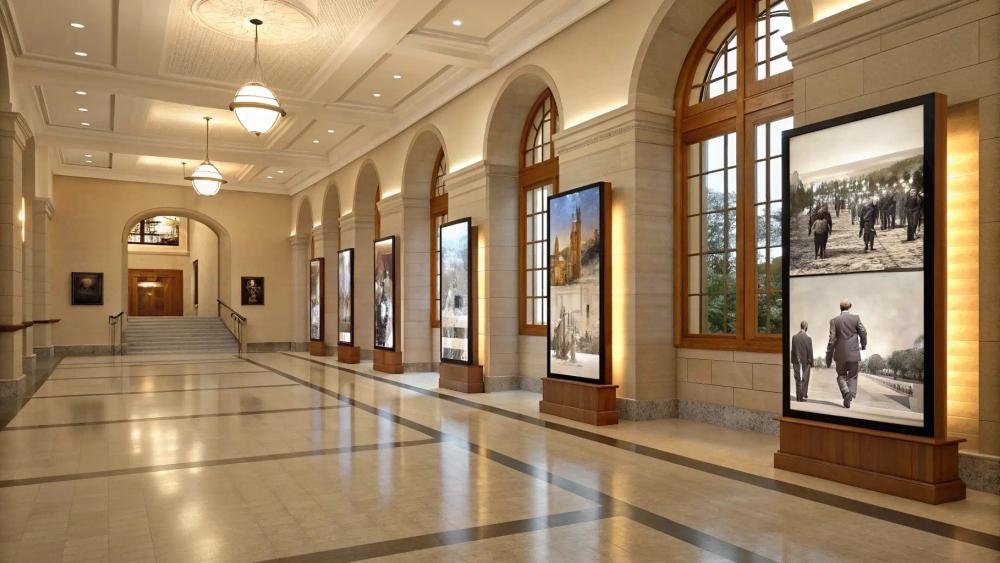
Step 5: Enhance Your Digital Archive With Interactive Display Software
Here's where the magic happens. Your digital archive deserves more than just existing online; it needs to be showcased where people can experience it.
Make the leap from the old-fashioned searchable database to a fresh visual experience, gripping to the senses. Invite prospects to step into another dimension at the door of your admissions office, where they can explore our unique library resources. Inside one would see an interactive digital display showcasing, for immediate viewing, all the Olympian athletes, championship-winning academic and other teams, major academic achievements, and most distinguished alumni of your particular school.
As a stakeholder in the matter, I have checked out numerous discussions stating the advantages of the right kind of software. Schools have come a long way and no longer just house history in their special collections. High-speed access to decades of content is possible through our cloud-based platform interacting wirelessly with digital archives and without all the buggy hardware and outdated infrastructure plaguing traditional setups.
The beauty of modern display software is its flexibility. Update content instantly through an intuitive management system. Recognize new achievements with a single click. Showcase donor contributions in elegant digital donor walls. Feature alumni accomplishments that inspire current students. All without physical space constraints, expensive renovations, or technical headaches.
Because the method is cloud-based, the footing of the school's Ed Story is not restricted to one screen in one building. Future families can therefore digitally touch their ancestral record anywhere in the world, be it on touchscreens, desktops, tablets, or mobile phones. Such privileges can never be realizable in the context of traditional plaques; they deserve to be part of a special collections initiative.
Step 6: Launch, Promote, and Maintain Your College Digital Archive
Your archive is built. Your display software is configured. Now what? Perhaps we should publish a magazine about our experiences.
Launch strategically: Announce your new digital archive during alumni weekend, homecoming, or a major school event. Make it an experience people want to explore.
Promote consistently: Archive feature redos should be promoted in newsletters, social networks, and campus tours. With the advancement in technology and the spread of social media, schools now use students to upload content, curate it, and gather content. This is an engagement that remains fresh through various perspectives and feels pretty much akin to a college archival project.
Maintain regularly: Digital archives are not 'get it and leave it projects. Adding achievements, updating records, and refreshing featured content is a continuous activity one must perform. Modern software is so handy that the whole process of update and change occurs in minutes rather than many months.
The ROI of College Digital Archives for Schools and Alumni
Let's be real, building a digital archive takes effort. But the payoff? It's massive, like the collection of manuscripts we have in our library.
In conclusion, rather than forever retaining the past, you are actually fashioning a facility that sells your school's greatness, necessarily tugs your alumni at their hearts and makes them rekindle (subconsciously on a timely basis) the love they once carried for their alma mater, or causes the present-day students to take a taste of what can come and what may be easily obtainable from those who went through it all.
If you were to combine the archive with interactive digital exhibition software, you would be creating an experience that would elevate the entire institution. Static plaques require more than they offer to allure the best and brightest students, while a decrepit trophy case isn't going to inspire much in the way of donations. But a vibrant, living celebration of a school's legacy? That's something people remember, especially when it’s published in a magazine.
Ready to Build Your School’s Digital Legacy With Modern Archive Technology?
The schools' stories deserve a better place than the one that could only be found in a dusty hallway and folders lost on the way to the archives. Whether you are exploring college digital archives for the first time or you are aiming to bring the conducting and showcasing of achievements of your institutions to a whole new level, the correct archival platform and display software can make all the difference.
At Touchstone Digital Solutions, we transform the archives of private schools, colleges, and universities into engaging, inspirational, and recruitment-interactive storytelling experiences. Would you like to see for yourself how we can publish the life out of your digital archive?